On this page7
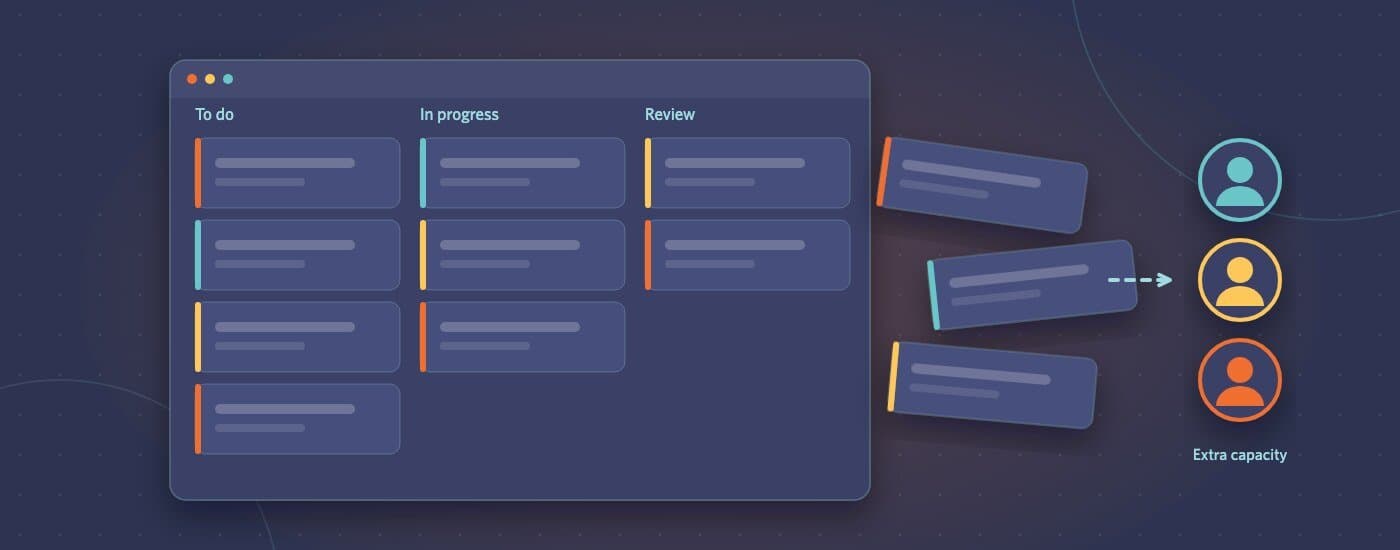
Every agency hits the same wall eventually. Sales lands three projects in a month, the development team is already booked, and the options all look bad: turn work away, push launch dates, or hire someone in a hurry and hope they fit. None of those is a strategy. They’re what happens when there isn’t one.
Overflow is predictable, even if the timing isn’t. Here’s how agencies we work with plan for it, so a busy month becomes good news instead of a crisis.
Why hiring isn’t the answer to a busy quarter
Hiring a full-time developer is the right move when demand has grown and is staying there. It’s the wrong move for a spike. By the time you’ve written the job ad, interviewed, waited out a notice period and onboarded someone, the busy quarter is usually over, and you now carry a salary into the quiet one.
Freelancers can help, but finding a good one at short notice is a project in itself, and availability is never guaranteed when you need it most. The agencies that handle overflow well sort out their extra capacity before they need it.
Decide what kind of work can leave the building
Not every task suits an outside team. The work that transfers best is well defined and clearly finished when it’s done:
- Building approved designs into templates or components
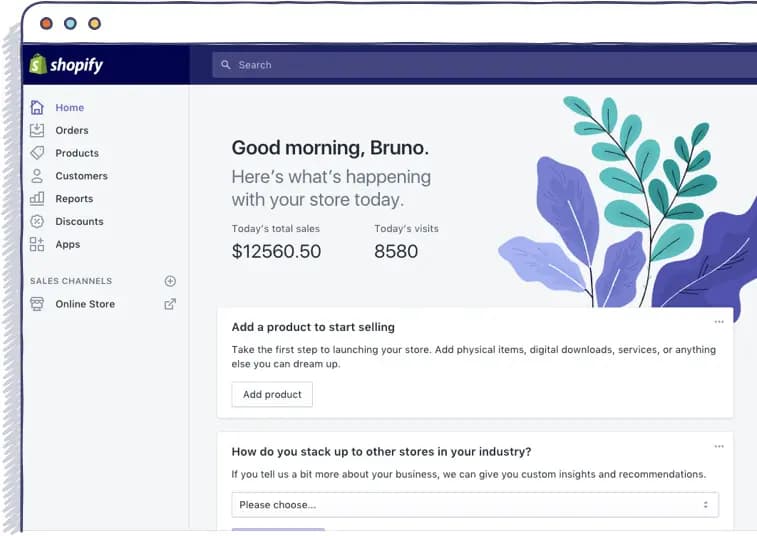
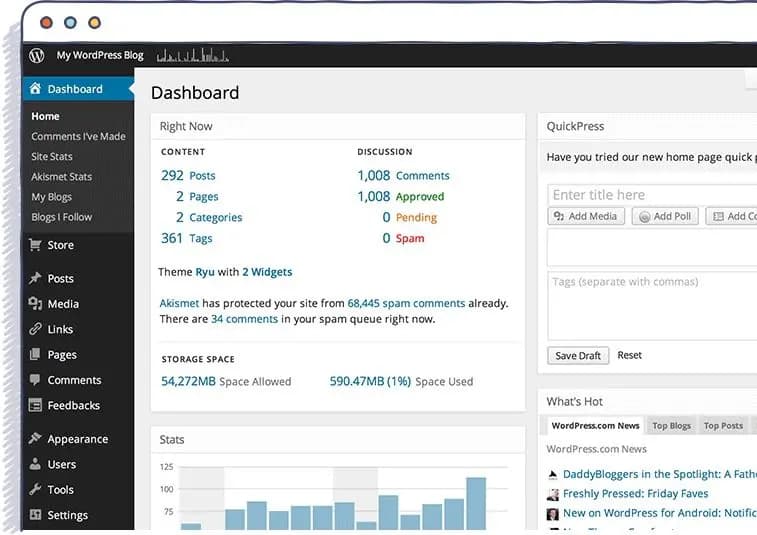
- CMS builds on a platform with established conventions: WordPress, Shopify, Webflow, HubSpot
- Landing pages and campaign microsites with fixed deadlines
- Email templates
- Maintenance: plugin updates, bug fixes and small changes across client sites
Work that depends on months of client history or constant daily decisions is harder to hand over. Keep that in-house, and use outside capacity to free your own team for it.
Set up the relationship while you’re quiet
The best time to find an overflow partner is a slow month. Run a small, real project together: a landing page, or a component for an existing site. It costs little, and it answers the questions that matter:
- Does the code meet your standards, and would your own developers be happy maintaining it?
- Do estimates hold, and are problems raised early rather than on the due date?
- Do they work comfortably in your tools: your repository, your ticket system, your review process?
- Is communication clear enough that your project manager isn’t translating all day?
When the busy month arrives, you’re making one phone call rather than starting a search.
Keep the client relationship yours
Most agencies want overflow partners to be invisible to clients, and a good partner expects that. The practical details:
- An NDA before any client material changes hands. It should cover the client’s identity, their files and the work itself.
- Your branding everywhere. Staging environments, commit messages, documentation and any client-facing communication should look like they came from your agency.
- A clear line of contact. Decide whether the partner ever talks to your client directly. For most agencies the answer is no: feedback goes through your project manager.
- Handover your team can own. Code in your repository, documented well enough that your developers can take over at any time.
Make the handoff easy
An outside team can only be as quick as the brief they receive. A short, consistent handoff format pays for itself within a couple of projects: design files marked as final, the platform and hosting details, integrations named specifically, and the date that really can’t move. We’ve written a separate guide on what to put in a white-label development brief if you want a template to start from.
Price it so overflow stays profitable
Overflow only helps if the margin survives. Get fixed quotes for well-defined work so you can price the client project with confidence, and agree rates for smaller ad-hoc tasks up front. Once you know what a typical landing page or template build costs, sales can quote it without checking with the development team every time.
Signs it’s time for something more permanent
If you’re sending overflow work out every month, it isn’t overflow any more. It’s capacity you need all the time. At that point, a dedicated developer or small team working only on your projects is often better value than repeated one-off projects: they learn your standards, your clients and your codebase, and they get faster as a result.
If you’d like to test an overflow partnership before the next busy month, take a look at our overflow development support, or send a small first project through our project brief form.