On this page6
“Headless” is one of those words that turns up in a pitch deck before anyone has asked whether the client needs it. Sometimes it’s exactly the right architecture. Often it’s an expensive way to rebuild what a good theme would have done, with more to maintain afterwards.
Here’s how we explain the trade-off to agencies, so the decision is made on the client’s needs rather than on what sounds modern.
What “headless” actually means
In a traditional store, the commerce platform (Shopify, WooCommerce, BigCommerce, Adobe Commerce) handles both the back end, meaning products, cart, checkout and orders, and the front end the customer sees, through its theme system.
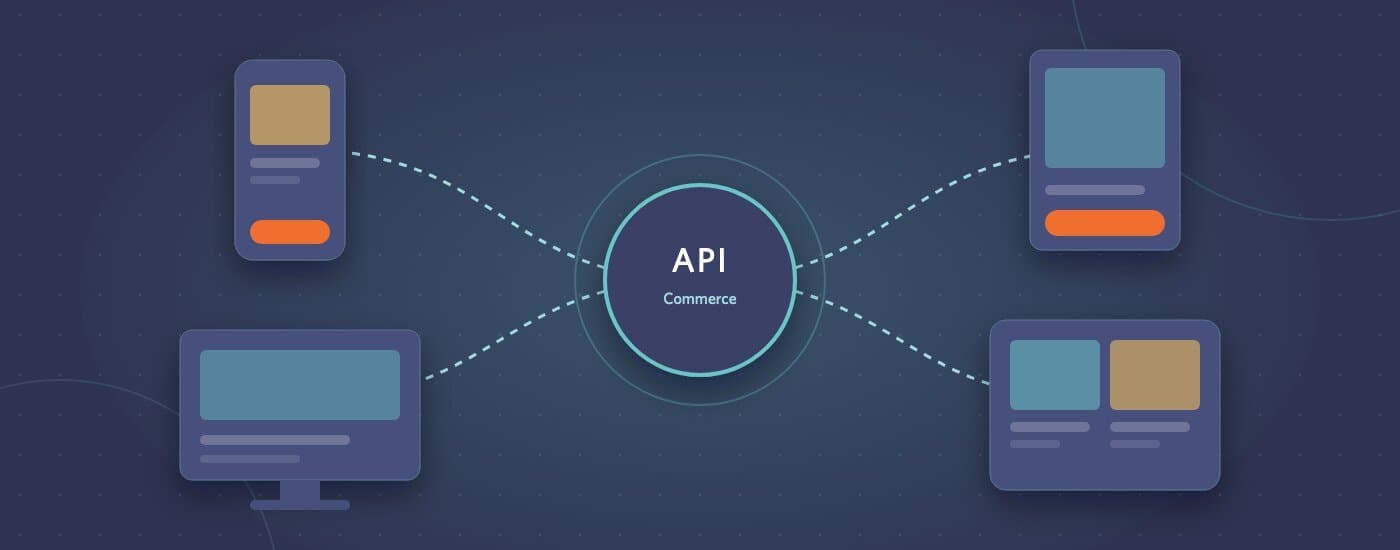
In a headless store, the platform still runs the back end, but the storefront is a separate application, often built with a framework like Next.js or Shopify’s Hydrogen. It fetches products and cart data through the platform’s APIs. The two halves talk to each other but are built, hosted and deployed separately.
When headless is worth it
- Content and commerce are deeply mixed. Editorial pages, lookbooks and guides with products woven through them, managed in a proper content system, are much easier when the front end isn’t tied to the commerce platform’s theme structure.
- Several storefronts share one back end. Multiple brands, regions or channels (web, app, in-store screens) drawing from the same catalogue.
- The experience can’t be built within theme limits. Highly custom interactions, configurators or app-like browsing that fight against the platform’s templating.
- Performance at scale, with a team to maintain it. A well-built headless front end can be extremely fast. But “well-built” and “maintained” are doing a lot of work in that sentence.
When it isn’t
- A standard catalogue with a strong theme would do the job. Modern Shopify themes and a well-built WooCommerce theme are fast and flexible. Many headless projects end up recreating what the theme already offered.
- There’s no development team after launch. A headless storefront is a custom application. Every platform update, API change and new feature needs a developer.
- The client depends on apps and plugins. Many commerce apps work by injecting code into the platform’s theme. On a headless front end, a lot of them either don’t work or need custom integration work.
- The budget covers the build but not the running costs. Hosting the front end, a separate CMS and extra services add ongoing costs that a theme-based store doesn’t have.
The costs clients don’t expect
Headless builds cost more up front, and the extra is easy to see in a quote. What’s easier to miss is what comes after:
- Features the theme gave for free (search, filtering, reviews, wishlists, localisation) all need building or integrating
- Marketing teams lose the platform’s visual editing unless a CMS with page building is set up and maintained
- Preview, analytics and SEO basics (sitemaps, structured data, redirects) all need implementing in the new front end
- Two systems to monitor, update and debug instead of one
None of these are reasons not to go headless. They’re reasons to budget for it honestly.
The middle ground
It isn’t all-or-nothing. Some options sit in between:
- A custom theme built for the brand, rather than a marketplace theme, often delivers the “custom” feel clients want from headless
- Headless for specific pages only, such as a content-rich landing area or a product configurator, with the rest of the store on the standard theme
- Improving the current theme’s performance, which often fixes the problem that started the headless conversation in the first place
A quick test
Ask the client: “What can’t you do on your current platform that you need to do?” If the answer is specific, and the platform’s theme system genuinely can’t deliver it, headless deserves a serious look. If the answer is “it should be faster” or “it should look more premium”, a better theme build is usually the cheaper, lower-risk route.
We build both theme-based stores and custom and headless eCommerce. If a client is asking about headless, send the brief through our project brief form. We’ll give you an honest view of whether it’s worth it for them.